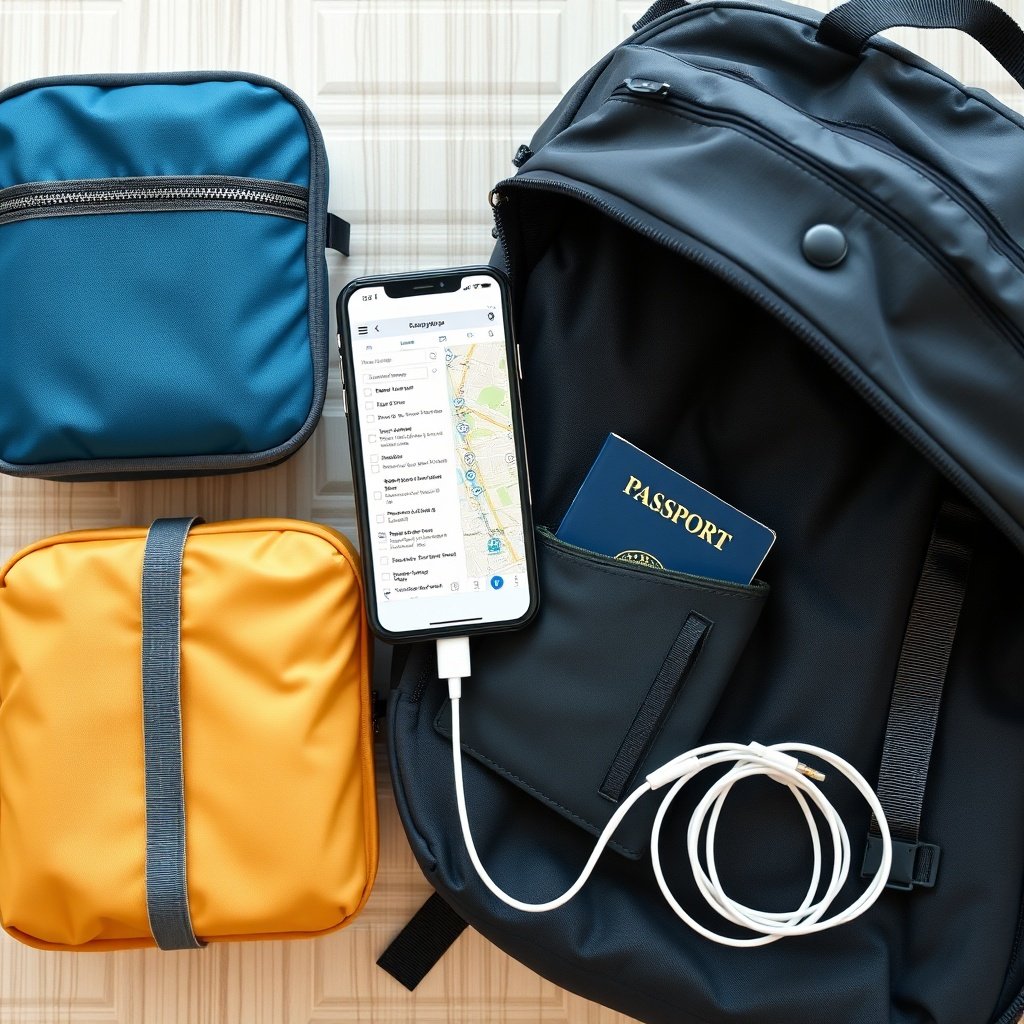
Travel smarter, waste less time.
If you’ve ever landed feeling rushed, underprepared, or stuck in avoidable hassles, you’re not alone. The right approach isn’t about traveling perfectly—it’s about using travel hacks cwbiancavoyage that reduce friction at every stage: planning, packing, arriving, and getting around. In this guide, you’ll find professional, repeatable systems you can use on weekend getaways, long-haul journeys, and everything in between.
Core Travel Hacks Cwbiancavoyage for a Better Trip
Think of travel like an operation: your goal is to reduce decision fatigue and maximize reliability. The travel hacks cwbiancavoyage below focus on practical outcomes—fewer last-minute surprises, less wasted time, and safer movement through unfamiliar places.
1) Build a “default plan” before you chase extras
When you plan, avoid the trap of over-optimizing. Start with a simple baseline that covers the essentials, then add flexibility. This keeps your trip stable even if your schedule shifts due to weather, transport changes, or time-zone effects.
- Choose anchor points: where you’ll sleep each night and how you’ll get between them.
- Set daily boundaries: a realistic start time and a hard stop (so you don’t burn out).
- Leave “buffer blocks”: gaps for meals, transit delays, and exploring without rushing.
2) Standardize your gear so you don’t repack every trip
Travel gets easier when you treat your packing list like a system rather than a one-off checklist. A repeatable setup cuts mental load and speeds up both packing and recovery (what to do when you return).
If you want a method designed for speed and consistency, reference this guide: How to Pack Fast Cwbiancavoyage: A Professional System for Faster Travel Packing.
3) Use “one-touch” organization to prevent chaos
Instead of spreading items everywhere, decide where each category lives. The goal is that you can find what you need without digging.
- Top/outer pocket: essentials used daily (wallet, phone charger, lip balm, earbuds).
- Middle layer: clothing you’ll access first.
- Bottom compartment: items you won’t need until later (laundry, spare shoes).
4) Prepare for movement, not just arrival
Many trips feel hardest at the beginning and end—getting from the airport to lodging, navigating to your next place, or handling baggage limits. Plan your “arrival path” like you would a commute.
- Know your likely transfer options (ride-share, public transit, airport shuttle).
- Save the address in more than one place (offline map + notes + printed backup).
- Carry a small “arrival kit” with chargers and one day’s essentials.
Pack Like a Pro: Lightweight, Measured, and Easy to Manage
Packing isn’t just about fitting your bag—it’s about making your trip simpler to run. The best travel hacks cwbiancavoyage in this area reduce bulk, improve accessibility, and speed up changeovers between days.
Use a capsule approach for clothing
Create a compact wardrobe that mixes and matches. Choose items that work in multiple combinations, and keep the palette consistent so outfit building becomes automatic.
- Pick a base: 2–3 tops that pair with everything.
- Limit shoes: one pair for walking + one optional pair for “nice” plans.
- Plan for laundry: pack with re-wear in mind, or include a simple laundry plan.
Protect fragile items with “structured packing”
Hard cases for valuables and careful layering prevent damage and reduce the stress of replacing something expensive.
- Use a small padded pouch for electronics.
- Wrap breakables (like toiletries) to prevent leaks.
- Keep liquids in the same zone so checks at security are quick.
Optimize toiletries with travel-size strategy
Rather than buying multiple mini versions, consolidate into refillable containers you already trust. Label them so you can refill faster at home or on the road.
Make your bag “easy to audit”
Before you leave, do a short, structured scan: everything in one list, everything in its place. If an item isn’t in the correct pocket/compartment, it’s likely to be forgotten or difficult to access later.
Smart Navigation and Arrival Systems That Save Time
The middle of a trip can feel effortless if your navigation setup is solid from day one. You want to spend your energy exploring—not troubleshooting your map, battery, or local transit routes.
Offline maps and offline essentials
Before you depart, download offline maps for the city/region and store important addresses. Battery management is part of navigation, so keep a charging plan and consider a compact power bank.
Pre-save key places
When you’re tired, it’s harder to make decisions. Reduce that load by saving a small set of reliable locations.
- Where you sleep (exact address and building entrance)
- Your next transit hub (train station/airport/bus terminal)
- One backup meal spot within walking distance
- A convenience store or pharmacy option
Use “arrival time buffers” for your first 24 hours
The first day is not the day to schedule everything. Give yourself time to settle, find groceries, and understand local routines. Even a simple grocery run can become stressful if you arrive late.
Safety and Confidence on the Road
Safety isn’t about fear—it’s about consistency. The best travel hacks cwbiancavoyage for staying calm are the ones that help you act confidently when something goes off-script.
Keep documents and money organized in layers
Don’t store everything in one location. Use a layered approach so one problem doesn’t become a full crisis.
- Primary wallet: essentials for daily use.
- Secondary storage: backup card/cash in a different area.
- Digital backups: photos of key documents (stored securely).
Adopt “situational routine” in busy places
In crowded areas, a little routine beats constant vigilance. It’s simple: you know what to do, so you don’t have to think.
- Keep your bag unzipped only when accessing it.
- Use cross-body carry in dense transit hubs.
- Be mindful of how you handle your phone when taking photos.
Stay informed without doom-scrolling
Check practical updates (transport, weather, local advisories) from reliable sources. Then stop. Continual scanning drains energy you could spend on planning meals, routes, and downtime.
Backpacking-Friendly Strategies and Smarter Day Planning
Whether you’re doing a long backpack route or a lighter “carry-on only” trip, your day plan should minimize repeated decision-making. Instead of planning every hour, plan the rhythm and the logistics—then let the rest be flexible.
If you want field-tested guidance focused on safer, smarter trips, explore: Backpacking Advice cwbiancavoyage: A Professional Field Guide for Safer, Smarter Trips.
Use the “two windows” rule for activities
Choose two activity windows each day—one for sightseeing and one for a flexible experience (food, wandering, a museum, or a viewpoint). This structure prevents over-scheduling and helps you adjust when transit runs behind. dow magazine, programgeeks
Plan meals around availability, not perfection
Great travel days happen when you can eat easily. Identify grocery stores, bakeries, or affordable sit-down options ahead of time. Then you’ll avoid the “we’re starving and can’t decide” spiral.
Track costs gently with a simple system
No spreadsheets required. Use a running note or budgeting app and check it once every day or two. This approach keeps you aware without turning travel into math.
Keep a “cool down” block
Even if you love being busy, plan one calm period. Your brain processes travel differently after downtime—so you’ll enjoy your next activity more.
Mid-Trip Optimization: Fix Problems Fast Without Losing Momentum
Plans change. Weather shifts. A reservation falls through. When this happens, the goal is to reset quickly and keep your trip moving.
Use a “3-step reset” for disruptions
- Step 1: stabilize: get food, water, and charge your devices.
- Step 2: re-route: identify two alternative options for your next movement point.
- Step 3: simplify: choose the option that reduces transfers and mental load.
One reliable backup per day
For each day, pick one backup plan that doesn’t require heavy logistics—like a nearby museum, a café district, or a short walking loop. When something fails, you’ll already have a solution.
Re-pack to keep your space functional
When you change environments (new city, new hotel), do a 5-minute reorganization. Put used items back in their zones, clean out trash, and reset your “next day” layout.
These practical travel hacks cwbiancavoyage—especially the re-routing and reset habits—help you stay confident even when the road gets messy.
Conclusion: Turn Travel Into a Repeatable Skill
The difference between a stressful trip and a smooth one is rarely luck. It’s systems: how you pack, how you organize, how you navigate, and how you respond when plans change. By using travel hacks cwbiancavoyage throughout your journey—before you leave, once you arrive, and when disruptions happen—you build a travel style that’s resilient, efficient, and genuinely enjoyable.
If you’re looking for additional practical direction for planning and pacing, you may also find value in: Backpacking Tips cwbiancavoyage from conversationswithbianca: A Practical Guide for Smarter Travel.
FAQ: Travel Hacks Cwbiancavoyage
What’s the fastest way to pack for a trip?
Start with a repeatable packing list, use a capsule wardrobe, and pack by category (essentials on top, rarely used items deeper). Then do one final audit focused only on items you’ll need on arrival.
How do I avoid forgetting important documents?
Use layered storage: keep daily documents in one place, backup copies in another, and store secure digital photos offline/online. Before departure, verify against a short checklist.
How can I handle delays without losing the day?
Stabilize first (food, water, device charge), then choose two alternative routes or plans with minimal transfers. Keep one backup activity already within reach.
Are these travel hacks only for backpackers?
No. The principles—repeatable systems, lightweight organization, and calm disruption handling—apply to business travel, family trips, and carry-on travel as well.
Where can I find more backpacking-focused guidance?
For deeper field-oriented ideas, check: Backpacking Tips cwbiancavoyage from conversationswithbianca: A Smarter, Safer Field Guide.


3 comments